
RETOUR SUR LE GALA DE RECONNAISSANCE 2023
Durant son congrès, l’AQÉI a eu le bonheur de remettre ses prix Découverte et Carrière. Mis en place en 2017, ils permettent de souligner l’excellence professionnelle de praticiens et praticiennes dans le domaine des évaluations environnementales.
Le comité de sélection est composé de membres indépendants du conseil d’administration. Cette année, Louise Fecteau de Gaïa Environnement, ex-présidente de l’AQÉI, Pierre André, professeur honoraire à l’Université de Montréal et récipiendaire du Prix Carrière 2022 et Mireille Paul, gestionnaire retraitée du ministère de l’Environnement, de la Lutte contre les Changements Climatiques, de la Faune et des Parcs (MELCCFP) ont rempli cette mission.
Rappelons que les candidatures soumises au jury sont constituées d’une lettre de mise en candidature préparée par un collaborateur du candidat, membre de l’AQÉI, ainsi que d’une ou deux pièces complémentaires selon le bon vouloir du porteur du dossier. Une de ces pièces est généralement un CV qui détaille son parcours professionnel.
PRIX CARRIÈRE
Prix remis par Marie-Josée Grimard, représentante Hydro-Québec
 |
|
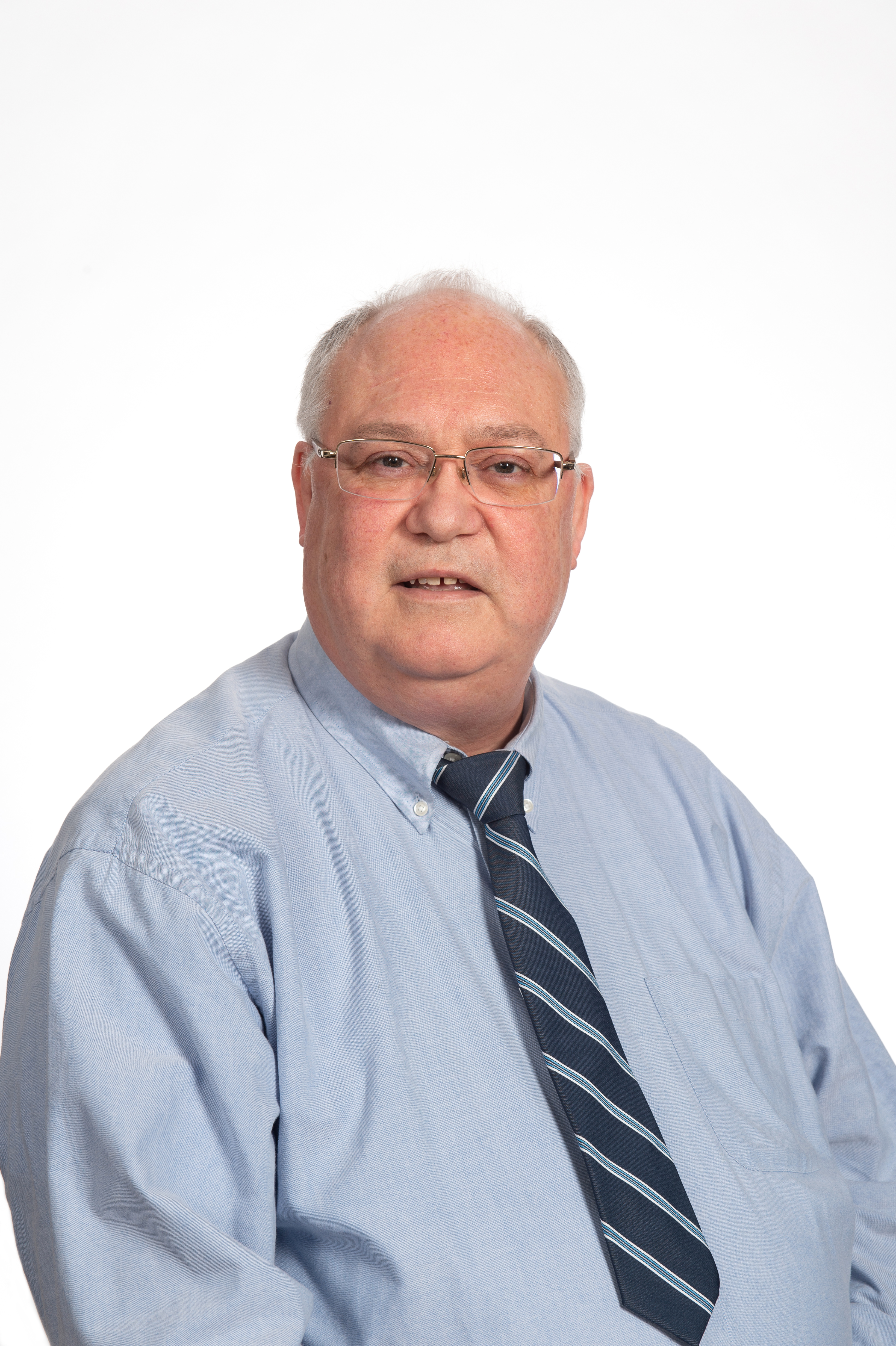
Le prix Carrière permet à Stantec de faire un carton plein, puisqu’il a été remis à Mario Heppell !
Biologiste et aménagiste de formation, il a réalisé ou participé à plus de 650 dossiers d’évaluation environnementale depuis 1986 ! Ayant touché à tous les aspects de la discipline, sa capacité à coordonner d’importantes équipes interdisciplinaires sur un grand nombre de dossiers complexes et innovants est précieuse.
L’évaluation environnementale stratégique québécoise lui doit beaucoup, lui qui a notamment été directeur de projet de celle sur les possibilités de mise en valeur des hydrocarbures extracôtiers dans le Golfe du Saint-Laurent (incluant la baie des Chaleurs), et qui a contribué activement à trois des quatre autres concernant l’exploration et l’exploitation des hydrocarbures au Québec.
En presque 40 années de pratique, Mario a également fait preuve d’une immense expertise dans la direction de projets de lutte contre l’érosion des berges. Son amour et son sens de l’échange et du débat, ainsi que sa volonté de transmission et de partage des connaissances, ont été bienvenus dans toutes les organisations qui ont eu la chance de le côtoyer.
Il s’agit là d’un engagement social exceptionnel envers la communauté de l’évaluation d’impact, qui méritait bien amplement la reconnaissance de ce magnifique prix Carrière.
Bravo et merci Mario !
PRIX DÉCOUVERTE
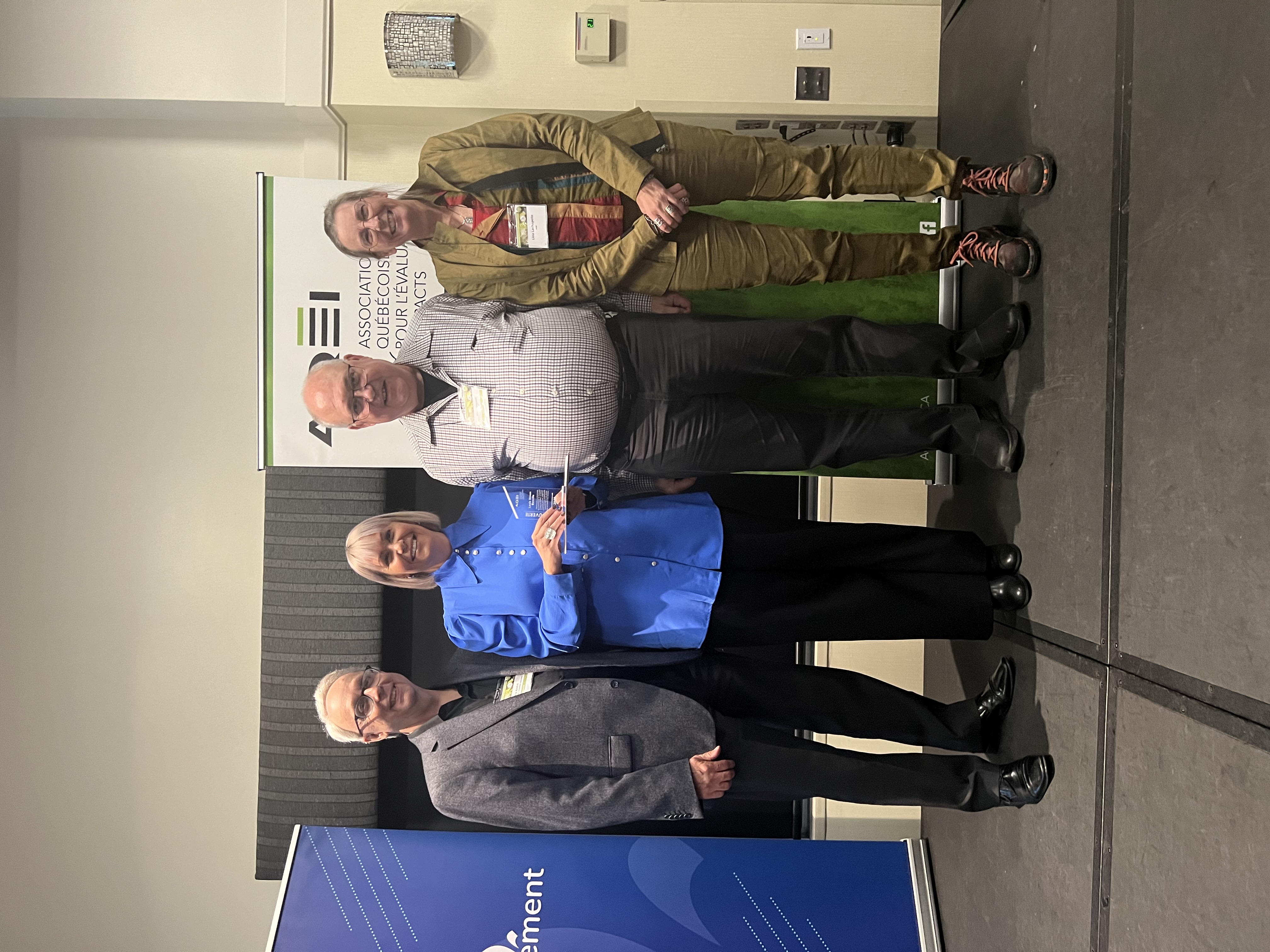
Prix remis par Stéphanie Fortin, représentante Transfert Environnement et Société
Le prix Découverte a été remis à Louis Simon Banville. Chargé de projets à Stantec Experts-Conseil, il a participé à plusieurs études d’impact de projets en milieu aquatique.
Un bel accomplissement a été sa participation à l’étude d’impact sur le projet de construction du pont de l’île d’Orléans, une des premières études réalisées selon l’approche par les enjeux dans le cadre de la LACPI.
Sa capacité à faire le lien entre les résultats de l’évaluation et la réalisation des plans et devis définitifs est largement reconnue, et en fait l’un des talents québécois les plus prometteurs du domaine.
Félicitations !
PRÉSENTATIONS DES NOMINÉS 2023
Pour le prix « Carrière », le comité a reçu 4 dossiers de candidatures, dont 3 ont été jugés recevables.
=> La première candidate est Élaine Bougie, Directrice de projet et spécialiste en étude de paysage au groupe Synergis.
Élaine Bougie est Architecte paysagiste de formation. Elle œuvre depuis 34 années dans les domaines de l’aménagement du territoire, de l’environnement, de l’aménagement paysager et du design urbain. Elle possède une solide expertise en études d’impact, en évaluations environnementales et en suivis environnementaux, particulièrement pour l’étude du paysage et du milieu humain. Elle a participé à des audiences publiques du BAPE et à des consultations publiques de l’Agence canadienne d’évaluation environnementale (ACÉE). Élaine Bougie a collaboré à différents projets dans diverses régions du Québec et est bien au fait des préoccupations et des enjeux associés au paysage dans ces régions. Elle a également participé à la réalisation ou à la direction de projets de stabilisation de sols, de revitalisation de sites perturbés, d’aménagement de milieux humides et de rives et de cours d’eau, ainsi que de transformation de bancs d’emprunt en milieux humides. Son expertise sur l’évaluation et l’insertion dans le paysage des projets éoliens est recherchée. Reconnue par ses pairs, elle a entre autres développé une méthode spécialisée d’étude du paysage pour les lignes et postes d’Hydro-Québec, et fait la synthèse des connaissances environnementales pour le volet paysage pour ces mêmes infrastructures. Élaine Bougie est une gestionnaire de projets appréciée, qui fait preuve d’une grande rigueur scientifique et d’une expertise hors norme sur le paysage.
=> Le second candidat est Mario Heppell, Directeur Études d’impacts et Évaluations environnementales stratégiques chez Stantec.
Mario Heppell est biologiste et aménagiste de formation. Depuis 1986, il a dirigé, réalisé ou participé à plus de 650 dossiers d’évaluation environnementale, d’abord comme spécialiste et chargé de projet, puis comme directeur de projets. Il a œuvré dans de nombreuses régions du Québec. Il a développé une solide expertise tant en milieu terrestre qu’en milieu lacustre et marin. M. Heppell a touché à tous les aspects de l’évaluation environnementale. Il a coordonné de grandes équipes interdisciplinaires sur des dossiers complexes et innovants. En outre, il a été directeur de projet de quatre ÉES, dont les deux premières québécoises sur les hydrocarbures, ainsi que sur le projet de pont de l’Île d’Orléans, une première à utiliser l’approche par enjeux dabs le cadre de la LACPI. Il a participé à plusieurs consultations publiques du BAPE. Mario Heppell aime débattre de ses opinions et transmettre son savoir à ses collègues. Ce candidat s’est impliqué dans plusieurs organisations professionnelles, dont l’AQÉI, mais également dans diverses organisations environnementales. Ce conseiller, expert des changements climatiques et réviseur scientifique est un professionnel apprécié, compétent et passionné.
=> La troisième candidate est Hélène Desnoyers, Directrice de projet, Sciences de la Terre et Environnement chez WSP.
Hélène Desnoyers a une formation de géographe. Depuis 1989, elle a œuvré à titre de spécialiste, de chargée de projet ou de directrice de projet sur plusieurs dossiers d’études d’impact sur l’environnement, entre autres, elle détient une expertise remarquable sur les projets énergétiques, comme le projet de modification des installations de stockage des déchets radioactifs et de réfection de la centrale nucléaire de Gentilly 2, ou de nombreux projets de lignes et de postes électriques. Elle a aussi travaillé sur des projets miniers et de développement de lieux d’enfouissement technique (LET). À maintes reprises, Hélène Desnoyers a été responsable d’études de suivi environnemental et social, ou d’états de référence du milieu social, incluant des enquêtes dans le milieu, des sondages, des entrevues de groupe ou individuelles auprès de diverses parties prenantes. La candidate a aussi contribué ou été responsable de la réalisation de démarches d’évaluation environnementale, notamment dans le domaine des impacts psychosociaux ou d’évaluation des impacts sur l’environnement en général. Cette spécialiste participe à la mise à jour de la méthodologie d’évaluation environnementale pour les Lignes et Postes d’Hydro-Québec. Elle est reconnue pour ses qualités de d’analyse, de synthèse et de rédaction, en plus d’être rassembleuse, appréciée et efficace.
Pour le prix « Découverte », le comité a reçu 2 candidatures, toutes les deux retenues. Ainsi, les nominés sont :
=> La première candidate est Élizabeth Gagnon, Gestionnaire de projet intérimaire à l'Agence d'évaluation d'Impact du Canada (AEIC).
Au sein de l’Agence d’évaluation d’impact du Canada, la candidate agit à titre de gestionnaire de projet intérimaire, après un passage dans l’équipe Environnement de BBA. Après seulement quelques mois à l’Agence, Élizabeth Gagon démontre une grande maîtrise des différentes étapes, des exigences et des délais prescrits par les plus récentes procédures d’évaluation d’impact fédérale et provinciale. Sa méthode de travail et sa rigueur professionnelle sont des atouts pour le bon déroulement des mandats qui lui sont confiés. La candidate a démontré un savoir-être exemplaire. Elle peut aisément travailler en équipe, communiquer efficacement avec les parties prenantes externes et mobiliser favorablement les différents collaborateurs.
=> Le second candidat est Louis Simon Banville, Chargé de projets chez Stantec.
Au sein de Stantec Experts-conseil, ce passionné des évaluations environnementales démontre d’excellentes aptitudes pour réaliser les tâches qui lui sont confiées. Malgré sa jeune expérience, il a participé à plusieurs études d’impact de projets en milieu aquatique. Récemment, il a fait parti de la réalisation de l’étude d’impact sur le projet de construction du pont de l’île d’Orléans, une des premières études réalisées selon l’approche par les enjeux dans le cadre de la LACPI. Il poursuit ses efforts sur ce dossier, s’assurant que les enjeux environnementaux sont réellement pris en compte dans la conception définitive du projet. Sa discrétion et sa bienveillance en font un collaborateur apprécié de toutes et de tous.
Merci à tous pour votre présence et votre participation durant cette soirée de reconnaissance envers nos pairs.
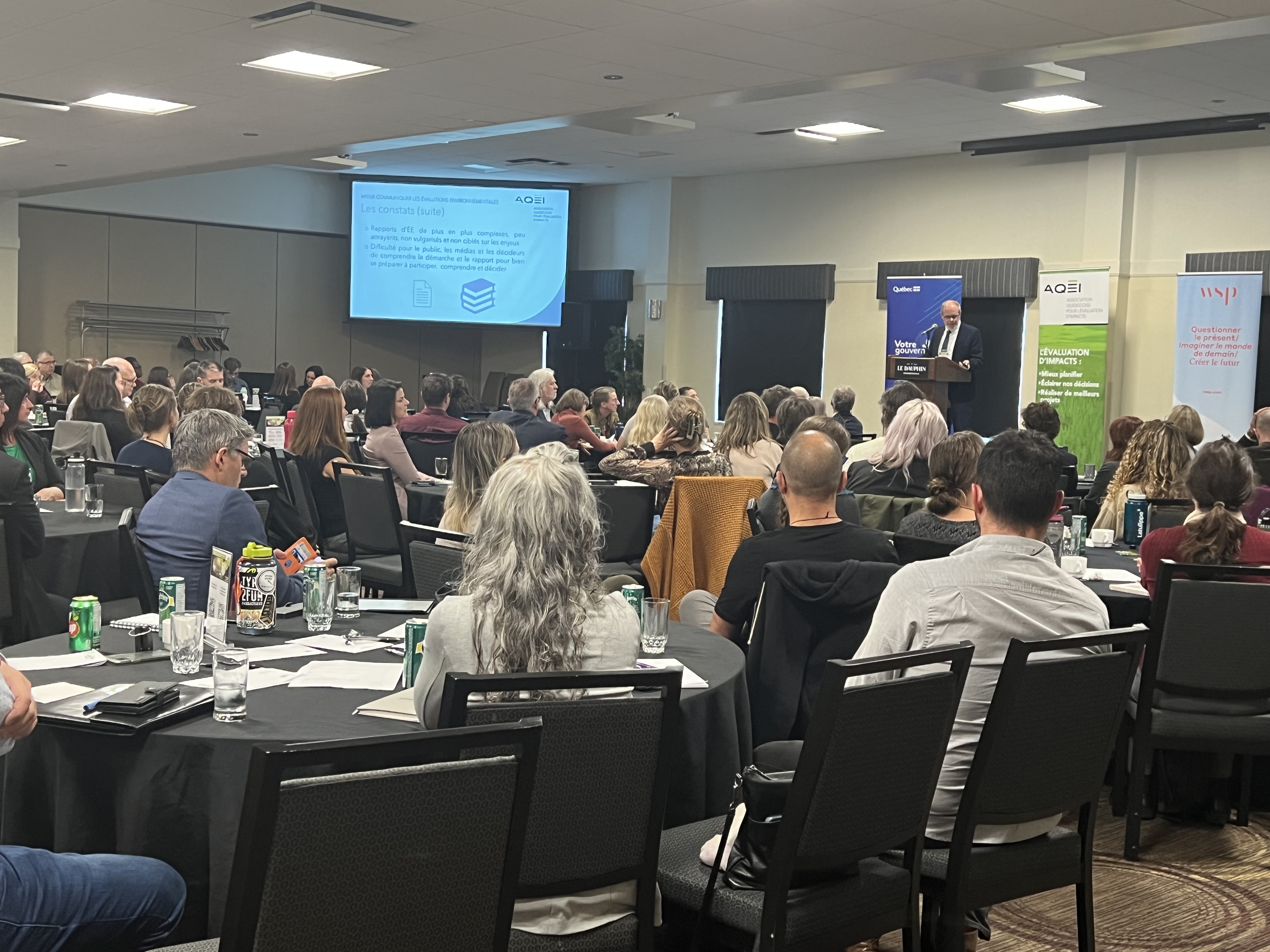
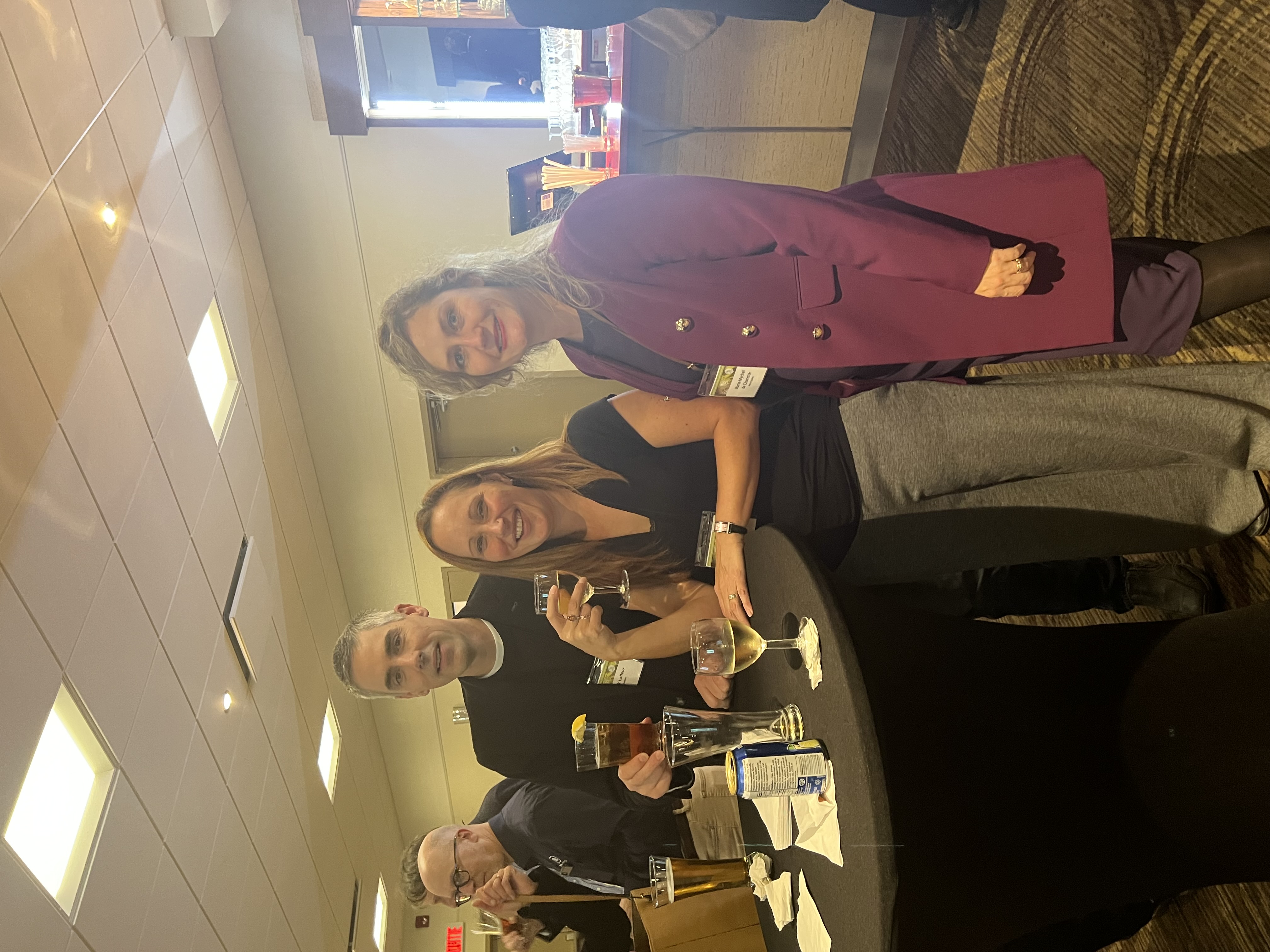
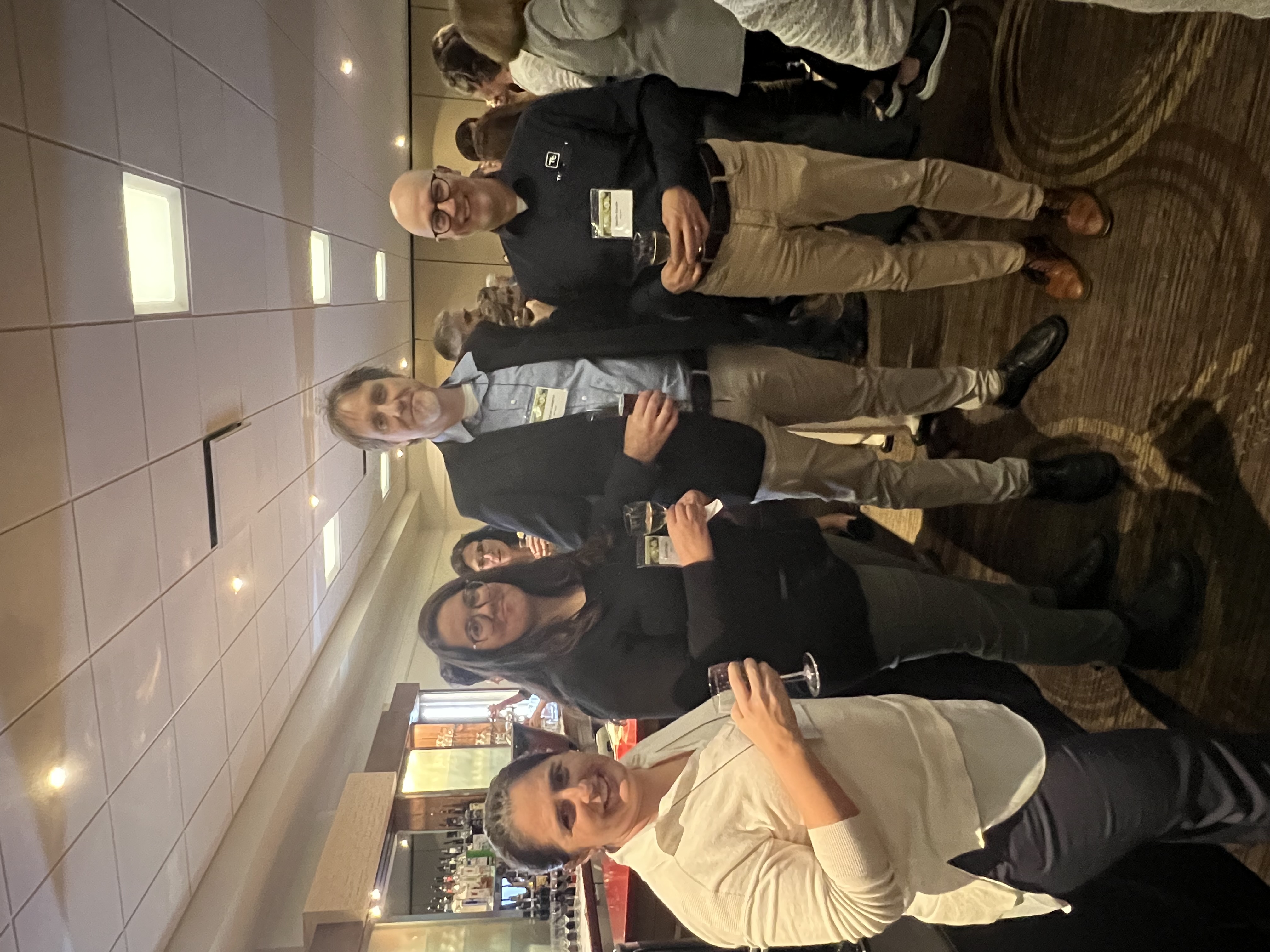
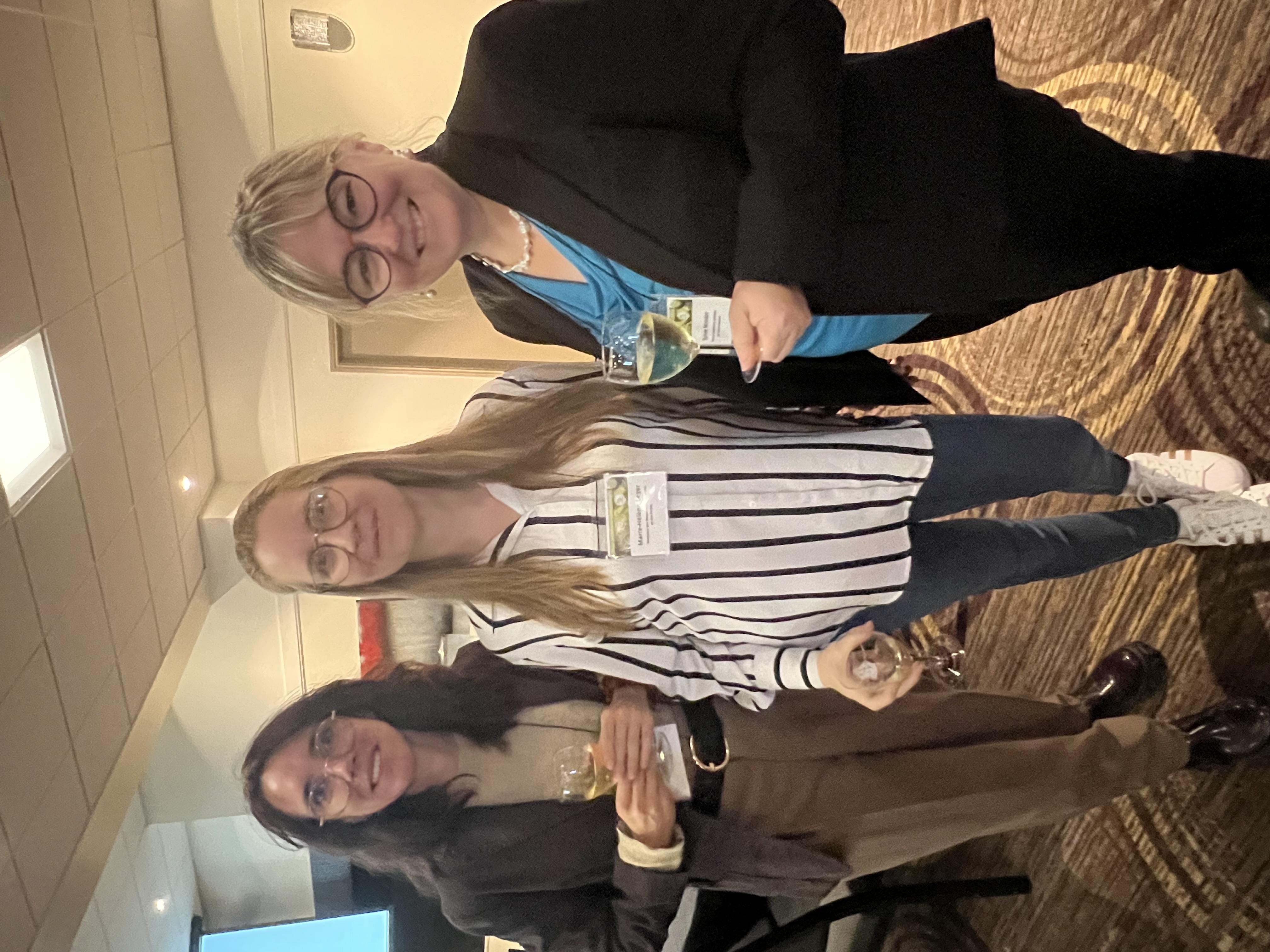
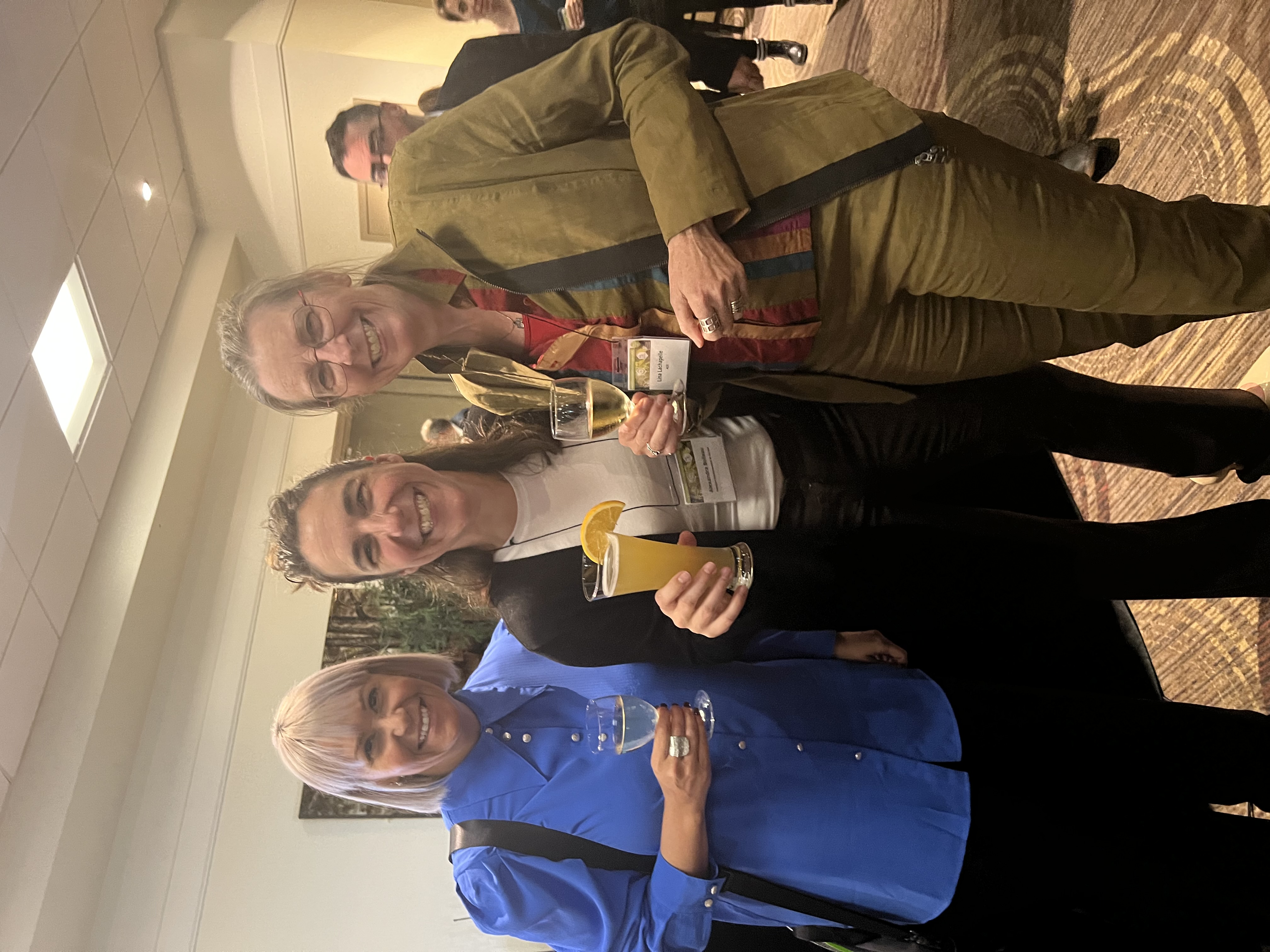
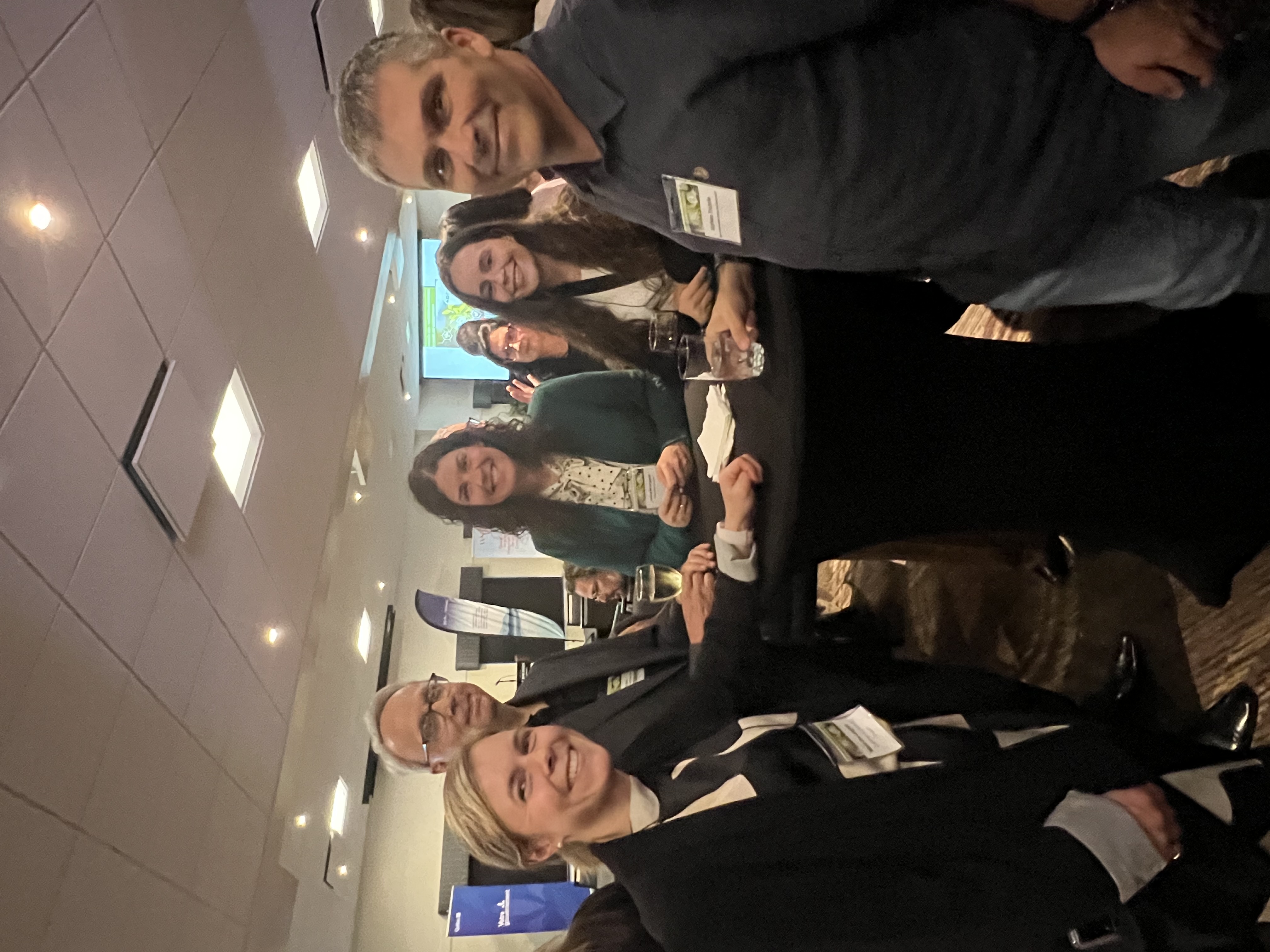
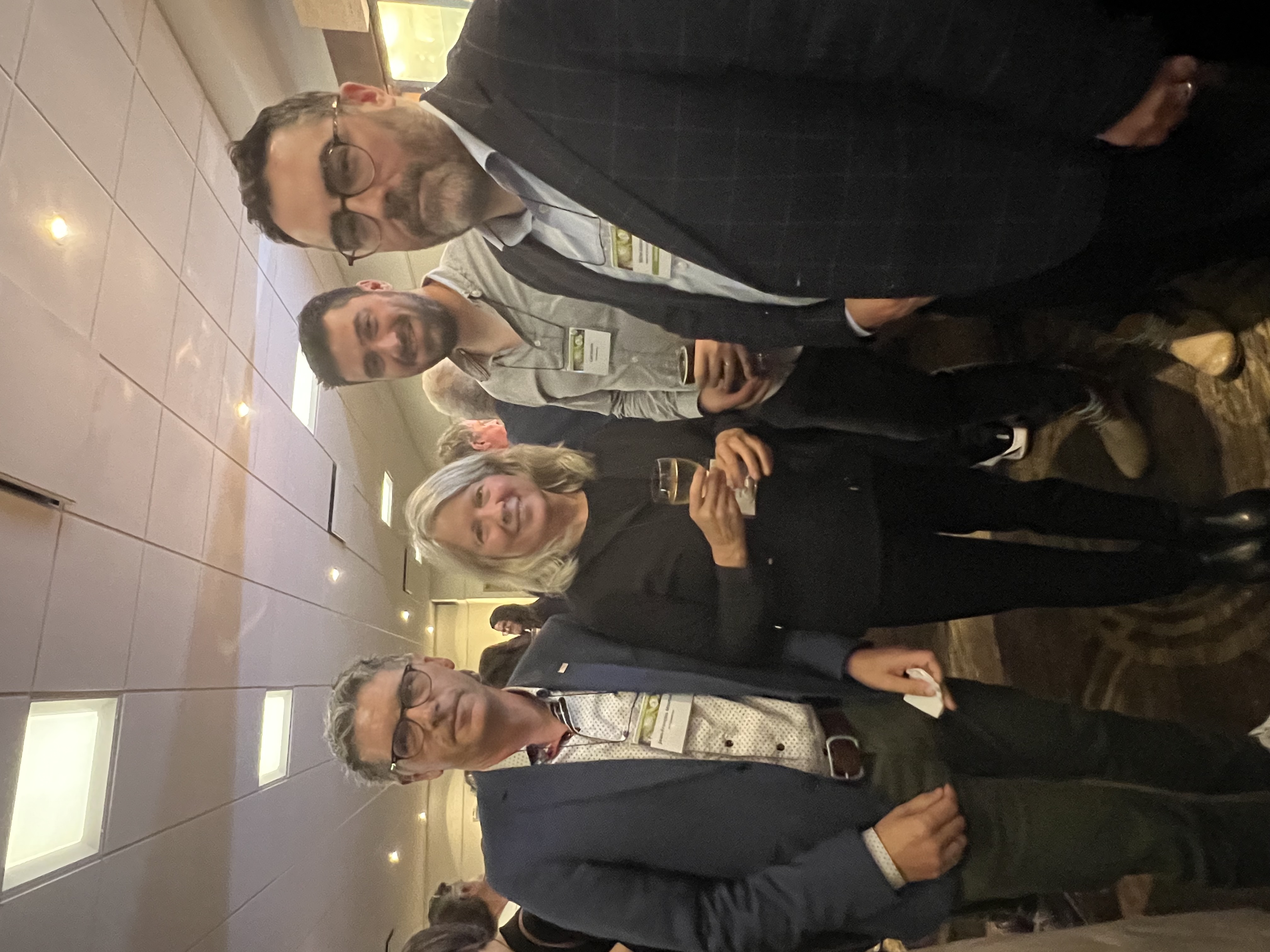
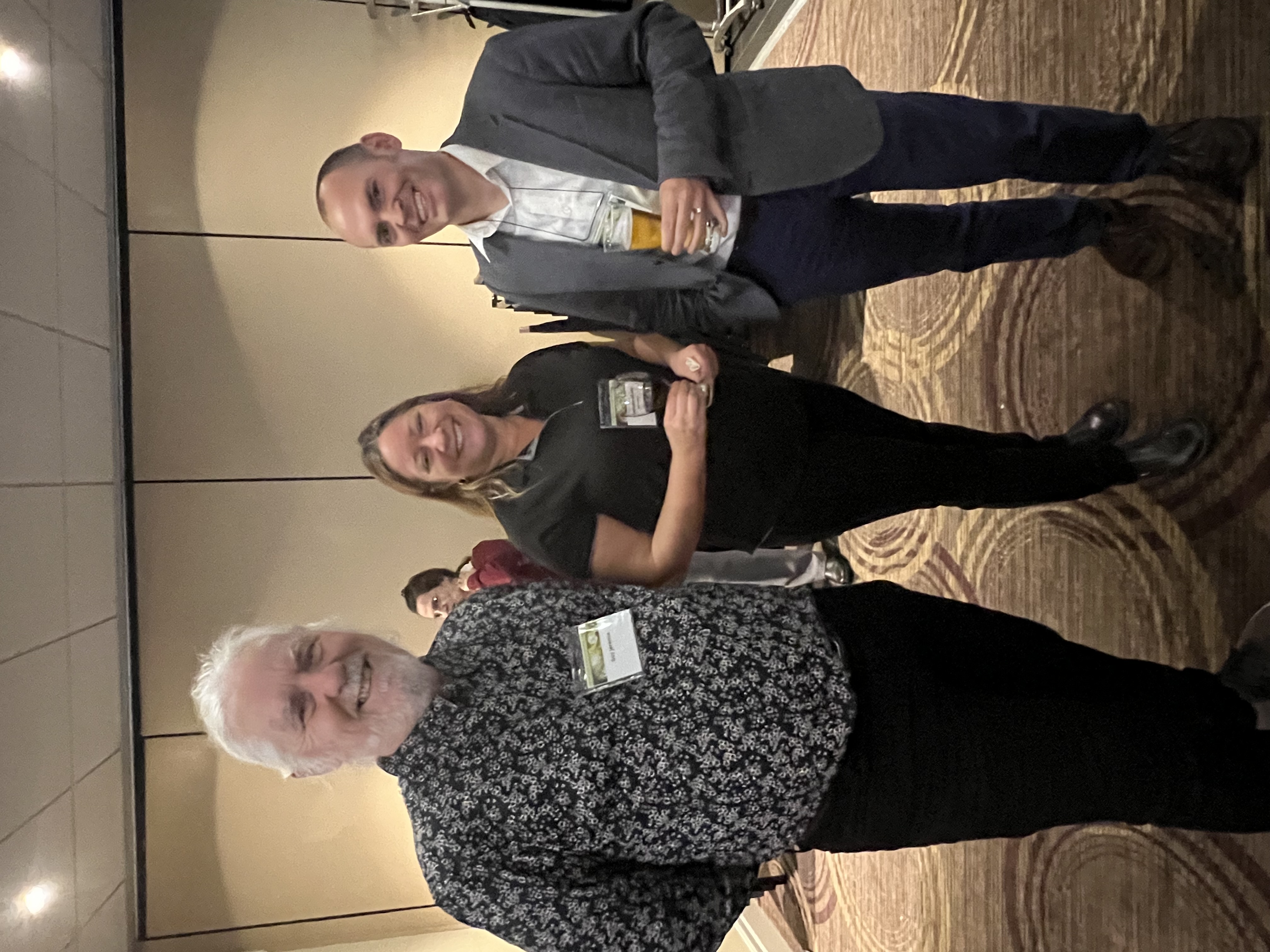
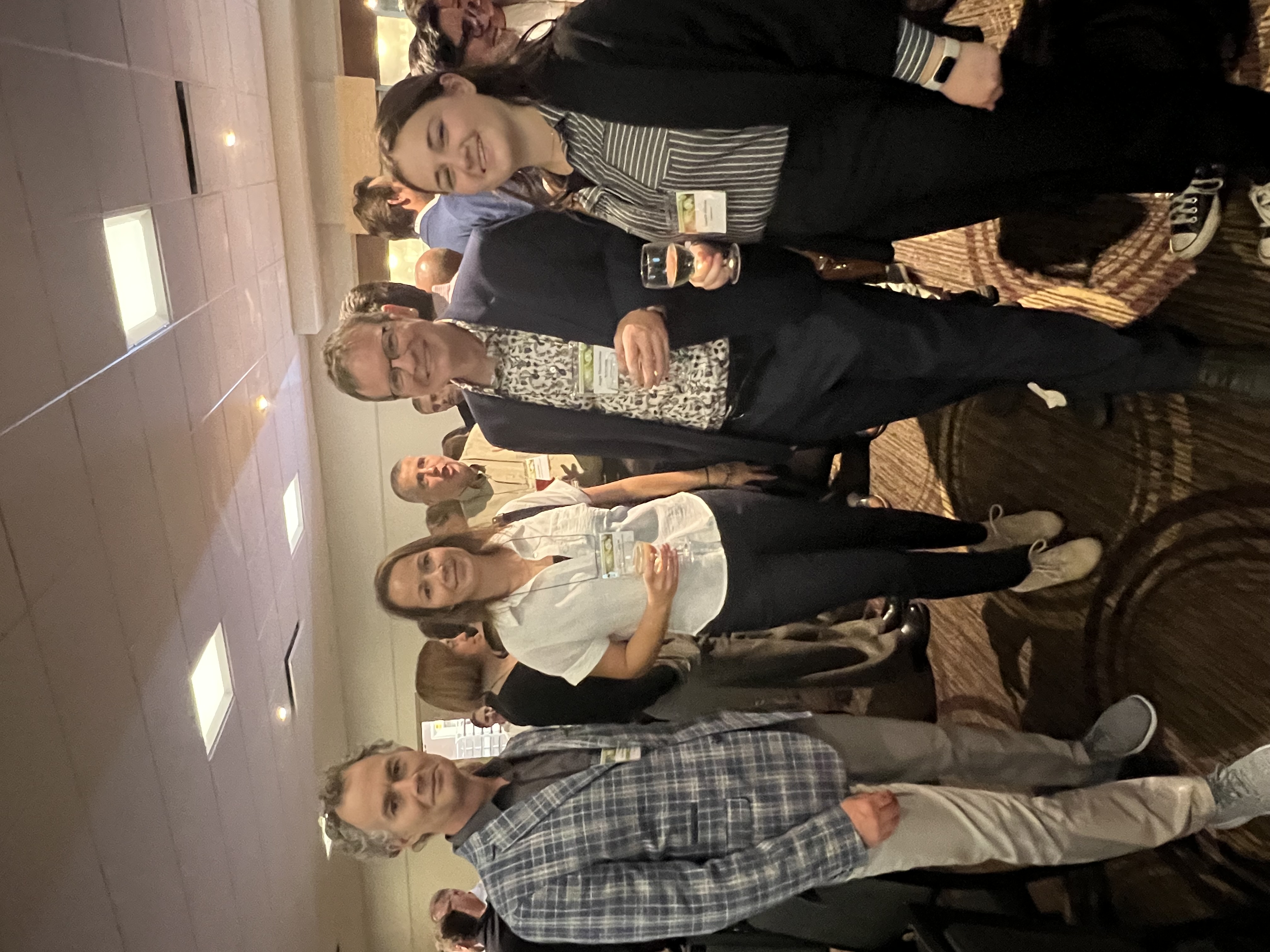
RETOUR EN IMAGES DE LA SOIRÉE
.jpeg) |
 |
.jpeg) |
 |
 |
 |
 |
 |
 |
 |
 |
 |